
The ScoopFive Reasons Hydration Matters in Winter
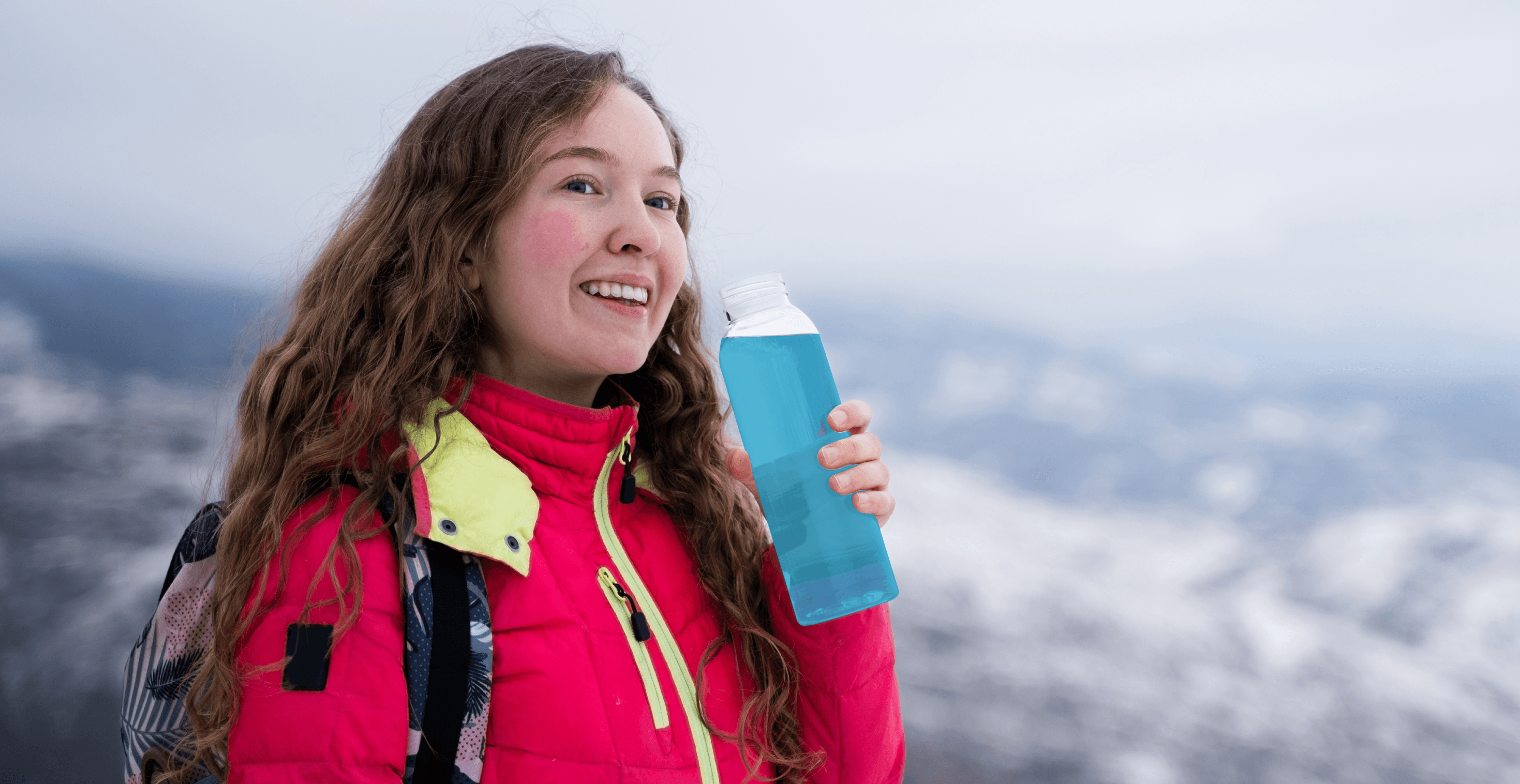
Hydration is usually framed as a summer problem: hot days, sweaty workouts, long hours in the sun. But winter quietly creates its own hydration challenges, and many people don’t realize they’re dehydrated until they’re already feeling the effects.
Cold weather changes how your body signals thirst, how much fluid you lose, and how often you remember to drink. Let’s break down why dehydration happens more easily in winter — and what you can do about it.
1. Cold Air Is Dry Air
Cold, winter air holds significantly less moisture than warm air. Every time you breathe, your body humidifies that cold, dry air — and in the process, you lose water through respiration.
That’s also why you can see your breath when it’s cold outside: the warm, moisture-rich air you exhale condenses as soon as it hits the colder air.
This happens whether you’re walking outside, exercising in the cold, or simply going in and out of chilly weather during the day.
You may not notice it, but fluid loss through breathing increases in colder climates, especially if you spend time outdoors. Even without visible sweat, your body is still losing water — and it adds up over time.
2. You Feel Less Thirsty
Cold temperatures naturally blunt the thirst response. In cooler weather, your body doesn’t prioritize cooling itself the way it does in heat, so the signals that normally remind you to drink become less noticeable.
At the same time, blood vessels near the skin constrict in cold conditions to help preserve body heat. This can temporarily increase central blood volume, which may send a false signal to the brain that hydration levels are adequate — even when they’re not.
The result? You’re still losing fluids through breathing and daily activity, but you feel less thirsty and drink less without realizing it.
3. Indoor Heating Dries You Out
Once winter hits, most of us spend more time indoors with central heating, space heaters, and fireplaces.
While cozy, heated indoor air is extremely dry — and that dryness pulls moisture from both your skin and your body.
You might notice dry lips or skin, static electricity, or a scratchy throat or nasal passages. These are often subtle signs that your body is losing moisture faster than you’re replacing it.
When indoor air is drying out your environment, it’s also increasing your hydration needs.
4. Winter Activity Still Means Fluid Loss
Just because it’s cold doesn’t mean your body isn’t working.
Winter activities like skiing or snowboarding, shoveling snow, or outdoor walks and workouts all increase fluid loss — often without the same visible sweat you’d notice in summer.
Cold weather can also cause sweat to evaporate faster or be absorbed by clothing, making it easier to underestimate how much fluid you’re losing.
Physical activity demands hydration, regardless of temperature.
5. Hydration Is More Than Just Water
Hydration isn’t only about drinking more water. Electrolytes play an important role in how your body absorbs and uses fluids.
They help support fluid balance, muscle function, nerve signaling, and energy and focus.
In colder temperatures — when people often drink less overall — electrolyte support can become even more important.
Hydration works best when fluids and electrolytes are working together, especially when intake is inconsistent.
Simple Winter Hydration Tips That Actually Help
If winter hydration feels harder, keep it simple:
•. Sip regularly, not just when you’re thirsty
•. Keep a drink nearby — visibility helps consistency
•. Warm or flavored drinks can make hydration more appealing
•. Support hydration with electrolytes, especially on active days
Small habits, done consistently, make the biggest difference.
If you’re looking for an easy way to stay more consistent with hydration during the colder months, adding an electrolyte drink can help — especially one that tastes good enough to make you want to drink it.
Quench Blue Razz fits naturally into a winter routine. It adds flavor and electrolyte support without feeling heavy, making it easier to stay hydrated even when cold weather dulls your thirst.
Hydration isn’t seasonal — your body needs it every day, all year long.